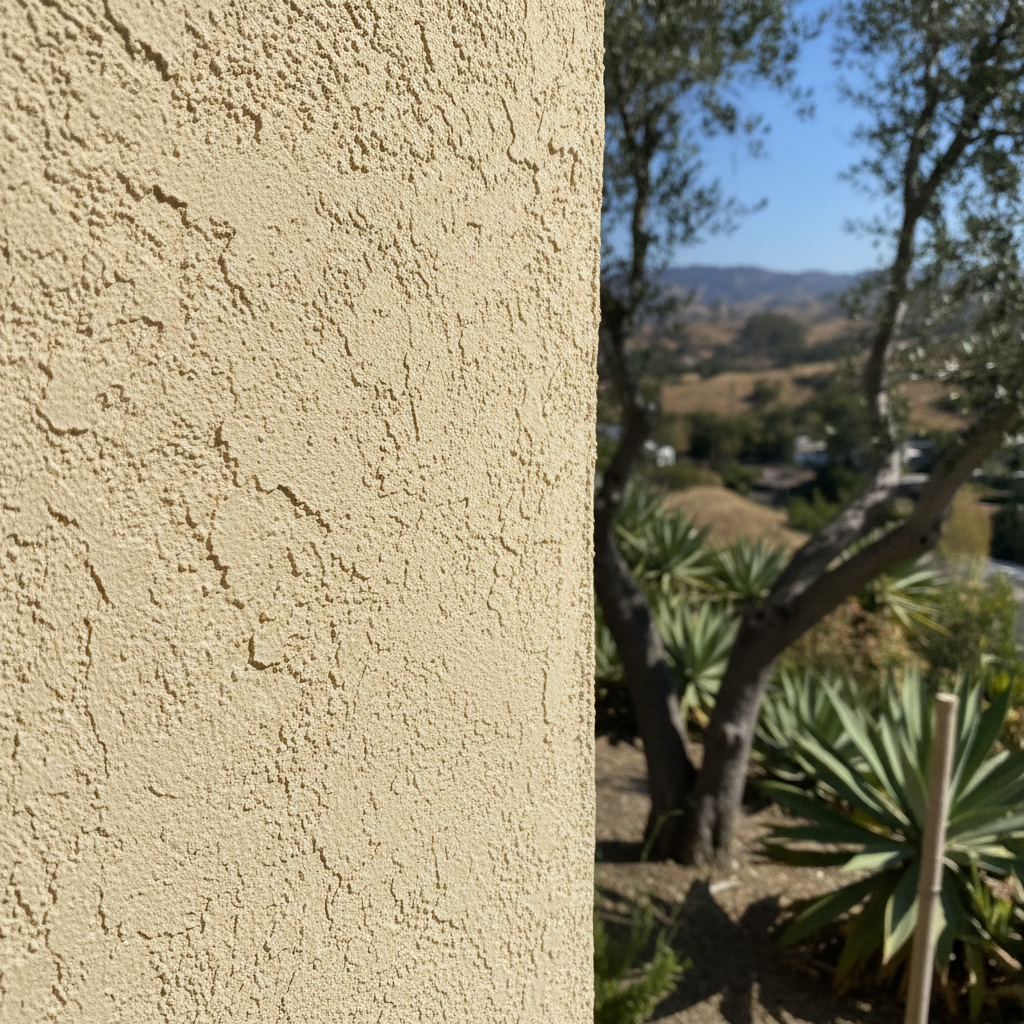
Spotting Stucco Damage: What to Look For
Alright, let's talk stucco for a minute. You're probably walking around your beautiful Beverly Hills home, maybe admiring the bougainvillea, and then you see it: a crack, a chip, or a weird discolored patch on your stucco. Don't panic! First things first, you need to figure out what kind of damage you're actually dealing with. Not every stucco problem is the same, you know?
Hairline cracks? Those tiny, spiderweb-like lines? They're usually just on the surface. They pop up as the stucco dries or with minor changes in temperature. You can often handle these yourself, no big deal. Larger cracks, though – especially ones wider than a credit card or that run in a stair-step pattern – those are definite red flags. They could mean structural movement, and that's absolutely a job for a professional.
Then there's efflorescence – that white, powdery stuff. That's moisture pushing salts out from inside the wall. It means water's getting in somewhere, and you really need to find the source. Discoloration, bubbling, or soft spots? Again, moisture is probably the problem. If you spot any of these, especially around windows, doors, or at the base of your walls where sprinklers might hit, you've got a bigger issue than just a quick cosmetic fix.
What You Can (Realistically) Do Yourself
For the small stuff, you can totally tackle some stucco repairs. I'm talking about those minor hairline cracks, small chips, or patching a tiny hole. Here's what you'll need and how you'd generally go about it:
- Hairline Cracks: Clean the area really well. Grab a good quality elastomeric caulk or a special stucco patch compound. Work it into the crack with a putty knife, wipe away any extra, and then try to match the texture as best you can with a sponge or brush. Once it's dry, you'll probably need to paint it so it blends in.
- Small Chips or Holes: For something a little bigger but still shallow, clean out any loose bits. Dampen the area slightly. Apply a pre-mixed stucco patch using a trowel. If it's deep, build it up in thin layers. Feather the edges so it blends smoothly with the existing stucco. Again, getting the texture right is super important.
The real trick to DIY stucco repair is blending. Stucco isn't just a flat surface, after all; it's got texture. If you just slap some patch on there, it'll stick out like a sore thumb. You'll need to mess around with sponges, brushes, or even your trowel to try and match the existing finish. And remember, color matching is tough. Even if you use the same color paint, the new patch might absorb it differently. Sometimes, painting the whole wall or section is the only way to get it looking uniform.
When It's Time to Call a Pro (Like Us)
Look, I'm all for homeowners saving a buck, but some jobs are just too big or too tricky for a DIY fix. When you see any of these, it's time to pick up the phone:
- Large, Deep Cracks: If a crack is wide, deep, or goes through multiple layers of stucco, it could point to structural problems. You definitely don't want to just patch over that. It needs proper investigation and repair to stop further damage.
- Water Intrusion Signs: Efflorescence, bubbling, soft spots, or mold growth. These are practically screaming that water is getting behind your stucco. Simply patching the outside won't solve the problem; you need to find and fix the source of the leak. That often means removing sections of stucco and fixing the sheathing and weather barrier underneath. This is especially true here in Beverly Hills, where heavy rains followed by intense sun can really make water damage worse if it's not handled right.
- Extensive Damage: If you've got large sections of stucco crumbling, falling off, or if the damage covers a big part of a wall, that's a huge job. A professional has the tools, materials, and experience to do it efficiently and correctly.
- Matching Complex Textures: Some stucco finishes, like a smooth Santa Barbara finish or a heavily textured dash, are really hard to copy perfectly. A pro has the skill to match these finishes so your repair isn't obvious.
- Damage Near Critical Areas: If the damage is around windows, doors, rooflines, or your foundation, there's a higher chance of water getting into your home's interior. These areas need careful flashing and sealing, which is best left to someone who does it every single day.
We've seen it all at Beverly Hills Stucco & Plastering. Sometimes a homeowner tries to patch a big area, and it ends up looking worse, or even worse, they don't fix the underlying water problem, and it just keeps coming back. You just spend more money in the long run, don't you? A good contractor won't just fix the visible damage; they'll also find and deal with the root cause, giving you a lasting repair.
After the Repair: Keeping Your Stucco Healthy
Whether you DIYed a small patch or hired us for a major overhaul, maintenance is key. Keep an eye on your stucco. Walk around your house regularly, especially after a good rain. Look for new cracks, discoloration, or any signs of trouble. Make sure your gutters are clean and directing water away from your foundation. Check that your sprinklers aren't constantly soaking your stucco walls.
A fresh coat of high-quality elastomeric paint every 5-10 years can also do wonders. It adds another layer of protection against moisture and keeps your home looking sharp. Stucco is incredibly durable, but it's not invincible. A little proactive care goes a long way in protecting your investment and keeping your Beverly Hills home looking its best.