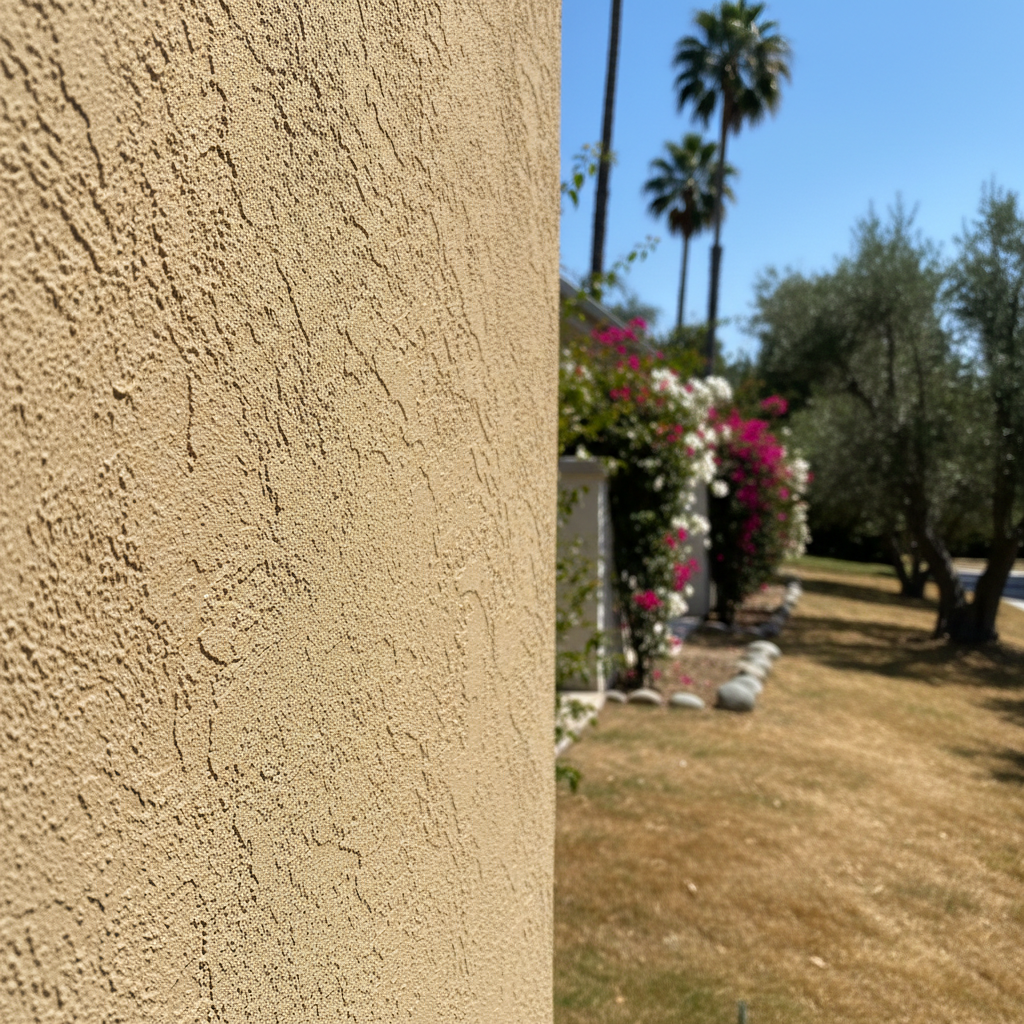
You're probably wondering about redashing your stucco, right? It's a big job, and I get a lot of the same questions from homeowners all over Beverly Hills. I've been doing this a long time — 25 years, actually — and I've seen it all, from the grand estates in Trousdale to the more modest, charming homes closer to Wilshire. So, let's cut through the noise and get to what you really need to know.
What's the real difference between redashing and just painting my stucco?
This is probably the most common question I hear. Painting stucco is like putting a band-aid on a broken arm, honestly. It'll look good for a bit, sure, but it doesn't fix the underlying issues. Stucco, especially here in Beverly Hills where we get that strong afternoon sun and occasional marine layer dampness, needs to breathe and move. Paint can trap moisture, which leads to bigger problems down the road – cracking, peeling, and sometimes even mold behind the walls. Redashing, on the other hand, means we apply a fresh, new layer of stucco finish. It's a complete resurfacing. We're not just covering things up; we're restoring the integrity and the look of the wall. It gives you a brand new, durable surface that's designed to last for decades, not just a few years.
How long does a redashing project typically take from start to finish?
That really depends on the size of your home and the complexity of the job. For an average-sized Beverly Hills home, say 3,000 to 5,000 square feet, you're usually looking at anywhere from two to four weeks. That includes prep work – which is crucial, by the way – the actual application of the new finish, and then the curing time. We've got to protect your property, set up scaffolding, make any necessary repairs to the existing stucco, apply the new material, and then let it dry properly. Rushing it just leads to problems. If it's a larger, more intricate home, or if there are extensive repairs needed, it could take longer. We'll give you a clear timeline upfront, so you know what to expect.
Do I need to move out of my house during the redashing process?
Most of the time, no, you don't. We work outside your home. There will be some noise, dust, and equipment around, obviously. We'll need access to water and electricity. We're very careful about protecting your windows, landscaping, and anything else around the house. We'll tape off areas, use drop cloths, and keep the work zone as tidy as possible. We understand you're living there, so we do our best to minimize disruption. That said, if you've got a particularly sensitive family member or pet, or if we're working on a very large, multi-level home, sometimes people choose to stay elsewhere for a few days, especially during the messiest parts. It's really up to your comfort level.
What kind of prep work is involved before you even start applying new stucco?
Prep work is everything. Seriously, it's probably 50% of the job's success. First, we'll do a thorough inspection of your existing stucco. We're looking for cracks, delamination, water damage, or any areas that aren't structurally sound. We'll repair those first. Any loose stucco gets removed. Then, we clean the entire surface, often power washing it to get rid of dirt, grime, and any loose paint. We'll protect all your windows, doors, light fixtures, and landscaping with masking and drop cloths. Sometimes, depending on the existing surface, we might apply a bonding agent to make sure the new stucco sticks perfectly. It's all about creating a clean, stable, and ready-to-receive surface for the new finish. You can't build a good house on a bad foundation, and you can't put a good finish on a bad wall.
Can I change the color or texture of my stucco when I redash?
Absolutely, that's one of the best parts of redashing! This is your chance to completely refresh the look of your home. You can go from a smooth finish to a sand finish, or even a dash finish. You can pick any color you like. We work with high-quality stucco manufacturers that offer a huge range of colors, and we can even custom-match if you have something very specific in mind. It's a great opportunity to update your home's curb appeal, especially if you're thinking about selling or just want a fresh look. We'll show you samples and help you pick something that complements your home's architecture and the surrounding landscape.
What happens if you find hidden damage, like water intrusion, during the prep phase?
That's always a concern, especially with older homes or if there have been signs of water staining. If we uncover hidden damage, like rotted sheathing or framing behind the stucco, we'll stop work immediately and notify you. We'll show you exactly what we've found, explain the extent of the damage, and discuss the best course of action. This might involve bringing in a carpenter or a water damage specialist if it's extensive. We won't just cover it up. That's not how we operate at Beverly Hills Stucco & Plastering. Our priority is to ensure the long-term health and integrity of your home. We'll provide a transparent estimate for any additional repairs needed before we proceed with the redashing.
What's the typical lifespan of a redashed stucco finish?
A properly redashed stucco finish, done with quality materials and experienced craftsmanship, should easily last 30 to 50 years, and often even longer. It's a very durable material, especially when applied correctly. The key is that initial prep work we talked about, using good quality stucco products, and proper application techniques. Things like good drainage around your foundation, keeping your gutters clean, and making sure sprinklers aren't constantly hitting the walls will also help prolong its life. It's a significant investment, and when it's done right, it pays off in decades of beautiful, low-maintenance exterior for your Beverly Hills home.
How do I know if my stucco needs redashing versus just a repair?
Good question. If you've got a few small cracks, or a localized patch of damage from, say, a falling branch, then targeted repairs might be enough. We can often blend those in pretty well. But if you're seeing widespread hairline cracks all over the house, or large sections of stucco that are delaminating (sounding hollow when you tap them), or if the existing finish is just completely chalky and faded, then redashing is usually the better option. It gives you a uniform, fresh surface that looks brand new. It's also the way to go if you want a complete color or texture change. Think of it this way: if your car has a dent, you fix the dent. If the whole car's paint is peeling and rusting, you repaint the whole car. It's similar with your stucco.