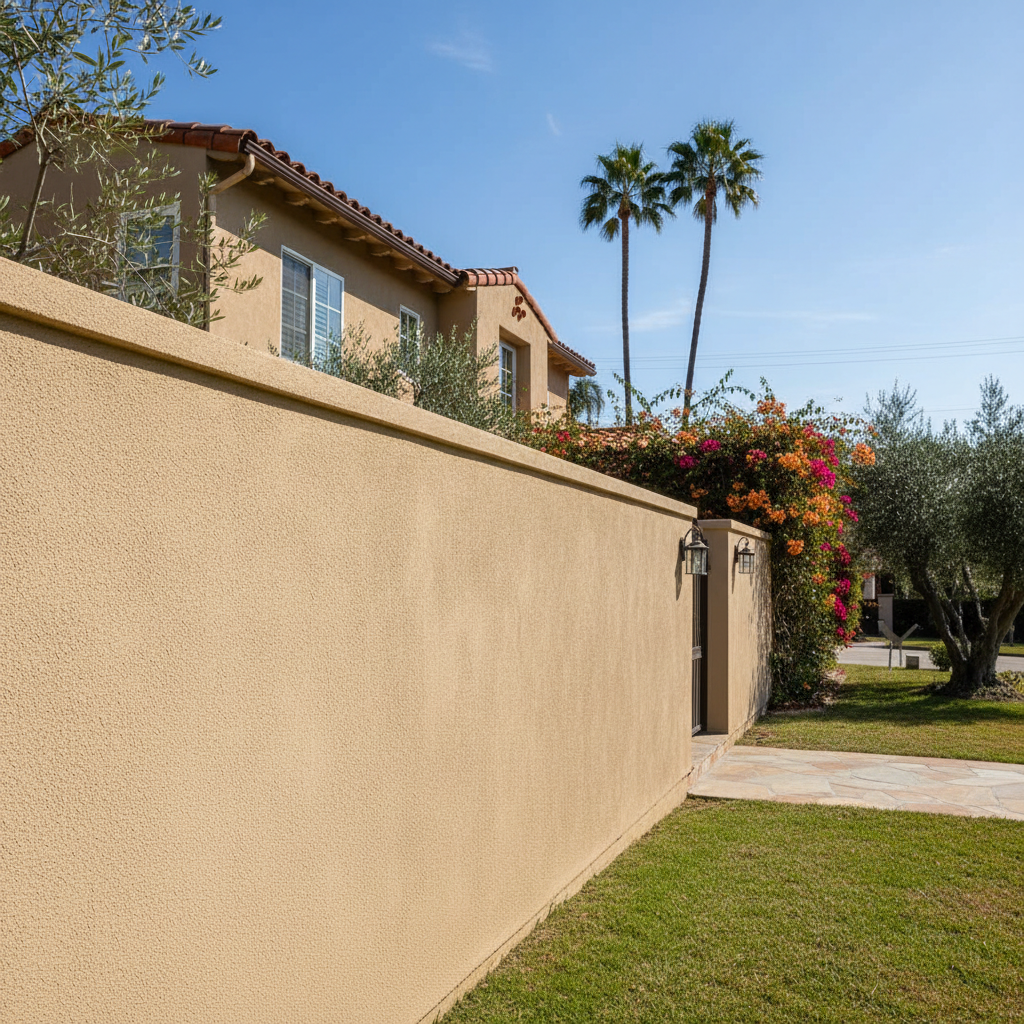
So, you've just had new stucco put on, maybe Beverly Hills Stucco & Plastering even did the work for you. That's a smart move, really, for keeping your home protected and looking sharp. But the job isn't truly finished just because the last coat dried. To get your money's worth and keep that finish looking brand new, you've got to take care of it. Think of it like buying a new car; you wouldn't just drive it off the lot and never wash it, would you?
Making Your Stucco Last Longer
The single most important thing you can do to extend your stucco's life is to keep it clean and dry. Sounds simple, right? But honestly, that's where most problems start. Here in Beverly Hills, we don't get a ton of rain, but when it does come down, or even with our morning dew, moisture can really sneak into places it shouldn't. Good drainage around your house is absolutely critical. So, make sure your gutters are clear and sending water well away from the foundation. If water just sits against your stucco, it'll find a way in eventually, and that's when you'll start seeing issues like efflorescence or even mold.
Landscaping is another big one. I see it all the time — beautiful rose bushes or ivy growing right up against a stucco wall. While it might look pretty, those plants hold moisture against the surface. Plus, their roots can even damage the foundation over time. You'll want to keep plants trimmed back a good foot or so from the stucco. Air circulation around the walls is key, especially on those north-facing sides that don't get as much sun to dry out.
Regular Stucco Upkeep: What You Should Do
Regular maintenance for stucco isn't brain surgery, but it does need a little attention. First off, cleaning. You don't need harsh chemicals for this. A good, soft wash with a garden hose and a soft-bristle brush, maybe some mild detergent if there's stubborn grime, is usually all it takes. Do this once a year, or more often if your house is under a lot of trees that drop sap or pollen. Just be gentle; don't use a high-pressure washer too close to the surface. That can damage the finish or even force water into tiny cracks, which we definitely don't want.
Take a walk around your house a couple of times a year. Really look at the stucco. Pay close attention around windows, doors, and where different materials meet. These are common spots where caulk can dry out and crack. Re-caulking these areas is a simple, inexpensive fix that prevents water from getting in. Also, check your weep screeds at the bottom of the wall. They're designed to let moisture escape. Make sure dirt, paint, or landscaping isn't blocking them.
Signs of Stucco Trouble
You really don't want to wait until a small issue turns into a big, expensive repair. Here are some things to keep an eye out for:
- Cracks: Hairline cracks are pretty normal with stucco as the house settles and temperatures change. But if you see cracks wider than a credit card, or if they're running horizontally or in a spiderweb pattern, that's a red flag.
- Discoloration or Stains: Dark streaks, especially under windows or near the roofline, usually mean water is getting in somewhere. Green or black patches could be mold or mildew, pointing to persistent moisture. White, powdery stains (that's efflorescence) mean water is moving through the stucco and leaving mineral deposits behind.
- Bulging or Soft Spots: If you press on the stucco and it feels soft, or if you see areas that look like they're bulging out, that's a serious sign of trapped moisture and likely rot underneath. Don't ignore this one.
- Peeling Paint or Finish: If your stucco is painted and the paint is peeling, it could be a sign of moisture pushing through from behind, preventing the paint from sticking properly.
- Loose or Crumbling Stucco: This is a clear sign of damage. If pieces are flaking off, it's time to act.
When to Call the Pros
Look, I'm a contractor, so you might think I'd say call me for everything. But honestly, some minor things you can handle yourself. However, if you see any of those serious warning signs I just mentioned – wide cracks, bulging, persistent staining, or crumbling stucco – please don't try to DIY it. You're probably dealing with water intrusion, and that really needs a professional diagnosis and repair.
You should also call us if you're unsure about how bad a problem is, or if you just don't have the time or expertise to tackle it. Catching these issues early is key, you know? A small repair now can save you from a full stucco replacement down the line. Especially with the older homes in areas like Benedict Canyon, where original stucco systems might be nearing the end of their life, an expert eye can spot issues before they become structural nightmares. So, don't hesitate to reach out to Beverly Hills Stucco & Plastering if you're seeing something that worries you. We're here to help keep your home looking great and protected.