Traditional Stucco vs. EIFS: What's the Real Difference for Your Home?
Alright, let's talk about stucco replacement. When your old stucco is shot – maybe it's got widespread cracking, water intrusion issues, or it just looks tired and dated – you've got some decisions to make. Beyond just fixing what's there, you might be thinking about a full replacement. And that usually brings up two main options: going with traditional stucco again or switching over to EIFS (that's Exterior Insulation and Finish Systems). I've put in a lot of years working on homes all over Beverly Hills, from the flats to the hills, and I've seen both done well and done poorly. Let's break down what you really need to know.
What Exactly Are We Talking About?
First, let's make sure we're on the same page. When I say 'traditional stucco,' I'm usually referring to a three-coat system, sometimes a one-coat, that's cement-based. It's rigid, durable, and has been around forever. Most of the older homes in Beverly Hills have it, especially those beautiful Spanish Colonial Revivals or Mediterranean estates. Just think of the classic look.
EIFS, on the other hand, is a multi-layered system. It includes an insulation board (usually expanded polystyrene, EPS), a base coat with a fiberglass mesh, and then a finish coat that looks like stucco. It's synthetic, flexible, and offers some serious insulation benefits.
Cost: Upfront Investment
When it comes to the immediate hit to your wallet, EIFS generally costs more upfront than traditional stucco. Why? The materials themselves are often pricier, and the installation process can be a bit more specialized. It requires different techniques and sometimes more labor hours for proper detailing around windows and doors. You're essentially paying for that insulation layer and the system's inherent flexibility.
Traditional stucco, while not cheap, tends to have lower material costs. The labor is still significant, of course, because it's a multi-step process. But generally, you'll see a lower estimate for a traditional stucco replacement compared to an EIFS job of the same scope. This isn't always true, especially if you're talking about a very high-end, custom traditional finish, but for standard applications, EIFS usually leads on cost.
Durability & Longevity: How Long Will It Last?
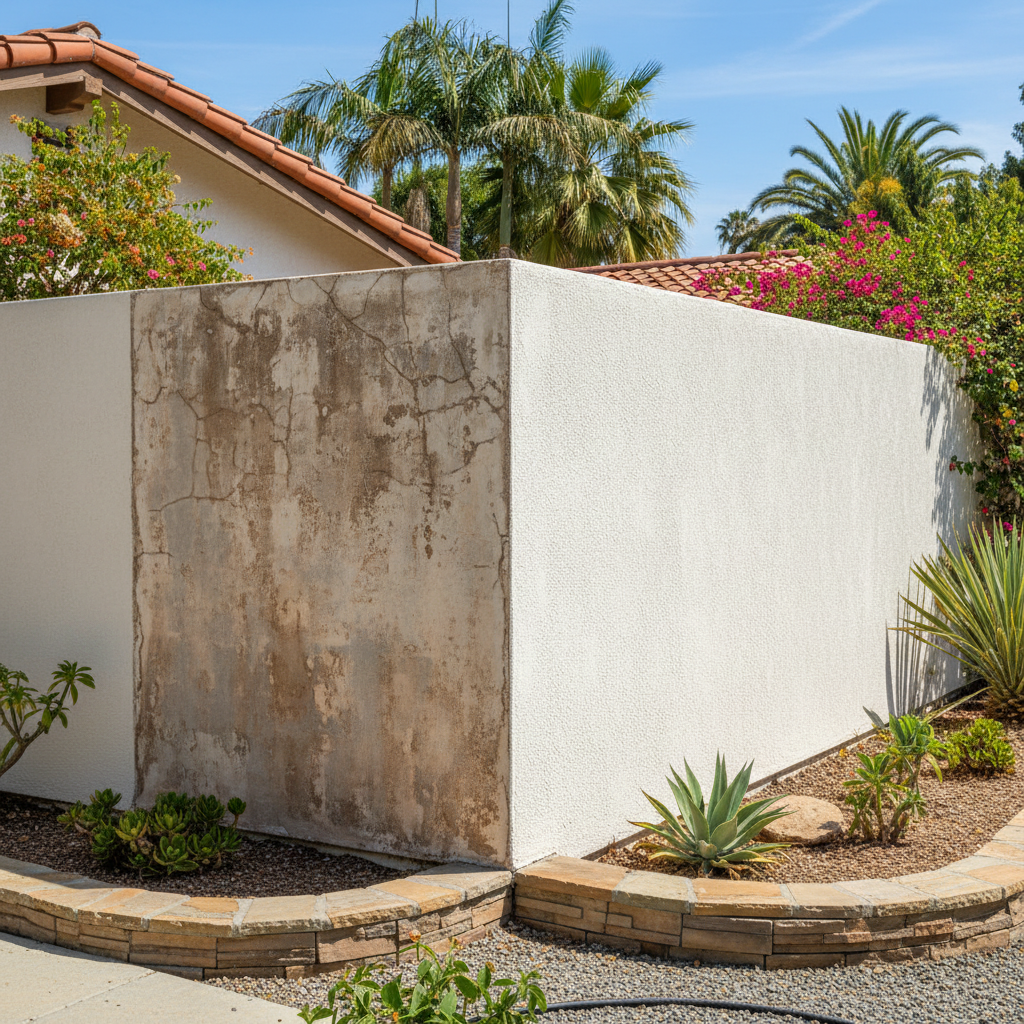
This is where things get interesting. Traditional stucco is incredibly durable against impact. You hit it with a baseball, and it's going to hold up better than EIFS. It's a hard, rigid surface. However, that rigidity is also its weakness when it comes to movement. Earthquakes, house settling, even extreme temperature swings (which we do get here, especially in the hills where temperatures can drop significantly at night) can cause traditional stucco to crack. Those hairline cracks are often just cosmetic, but they can let water in over time if not addressed.
EIFS is more flexible. The insulation board and the synthetic finish mean it can absorb minor impacts and building movement much better without cracking. This flexibility is a huge advantage in a seismic zone like ours. However, EIFS can be more susceptible to puncture damage. If something sharp hits it hard, it can dent or tear the system. That said, modern EIFS systems are built tough, and repairs are usually pretty seamless.
Maintenance: Keeping It Looking Good
Both systems need maintenance, but they're different beasts. Traditional stucco needs regular inspection for cracks. Any cracks you find need to be sealed promptly to prevent water intrusion. You'll also want to keep it clean, and occasionally, it might need repainting or re-dashing to refresh its appearance. The color is usually in the finish coat, but paint is common too.
EIFS is generally lower maintenance in terms of cracking. You won't see as many stress cracks. Cleaning is straightforward – usually a gentle wash. The color is integral to the finish coat, so it holds its color well and doesn't typically need painting unless you want a color change. The main thing with EIFS maintenance is making sure all sealants around windows, doors, and penetrations are intact. Water management is critical for EIFS, and those sealants are your first line of defense.
Appearance: What Look Are You Going For?
Aesthetics are subjective, but there are some clear differences. Traditional stucco offers a classic, earthy, textured look that many people associate with California architecture. You can get various textures, from smooth to rough, and it just feels authentic. For a home in Beverly Park or Trousdale Estates looking to maintain that classic Mediterranean or Spanish vibe, traditional stucco often feels like the natural choice.
EIFS can mimic traditional stucco textures very well, and most people can't tell the difference just by looking at it from a distance. It can achieve very smooth, contemporary finishes that are popular in modern designs. The color options are virtually endless. The main difference is the feel – EIFS has a slightly softer, more synthetic feel if you tap on it. But visually, it's incredibly versatile.
My Recommendation for Beverly Hills Homeowners
Look, I'm not going to tell you one is universally